Sustainable Footwear Solutions for Underserved Communities
The global footwear industry is a multi-billion dollar market, yet millions of people in underserved communities lack access to basic footwear. This gap not only affects their comfort but also their health and mobility. As we strive for a more sustainable future, it is crucial to explore innovative footwear solutions that cater to these communities. This blog post will delve into sustainable footwear options, highlight successful initiatives, and discuss how we can collectively make a difference.

Understanding the Need for Sustainable Footwear
The Impact of Footwear on Health
Footwear plays a vital role in protecting our feet from injuries and infections. In many underserved communities, people often resort to makeshift solutions like flip-flops or even going barefoot. This can lead to various health issues, including:
Infections: Open wounds are more susceptible to infections.
Foot deformities: Improper footwear can lead to long-term foot problems.
Reduced mobility: Lack of proper shoes can hinder daily activities and access to education or work.
Environmental Concerns
The footwear industry is notorious for its environmental impact. Traditional manufacturing processes often involve toxic chemicals, excessive waste, and non-biodegradable materials. By focusing on sustainable footwear solutions, we can address both health and environmental issues simultaneously.
Innovative Sustainable Footwear Solutions
1. Upcycled Materials
One of the most promising approaches to sustainable footwear is the use of upcycled materials. Brands are increasingly turning to discarded materials, such as old tires, plastic bottles, and fabric scraps, to create new shoes. This not only reduces waste but also lowers the carbon footprint associated with production.
Example: The brand TOMS has launched a line of shoes made from recycled materials, providing affordable options for underserved communities while promoting environmental responsibility.
2. Biodegradable Footwear
Biodegradable footwear is designed to break down naturally over time, reducing landfill waste. These shoes are often made from natural materials like organic cotton, hemp, and natural rubber.
Example: Native Shoes has introduced a line of biodegradable shoes that decompose within a few years, offering a sustainable alternative to traditional footwear.
3. Local Production
Supporting local artisans and manufacturers can significantly reduce the carbon footprint associated with transportation. By sourcing materials and labor locally, brands can create jobs and stimulate the local economy while providing affordable footwear options.
Example: Sole Rebels, an Ethiopian footwear brand, employs local artisans to create stylish shoes from recycled materials, empowering the community and promoting sustainable practices.
Successful Initiatives in Sustainable Footwear
1. The Shoe That Grows
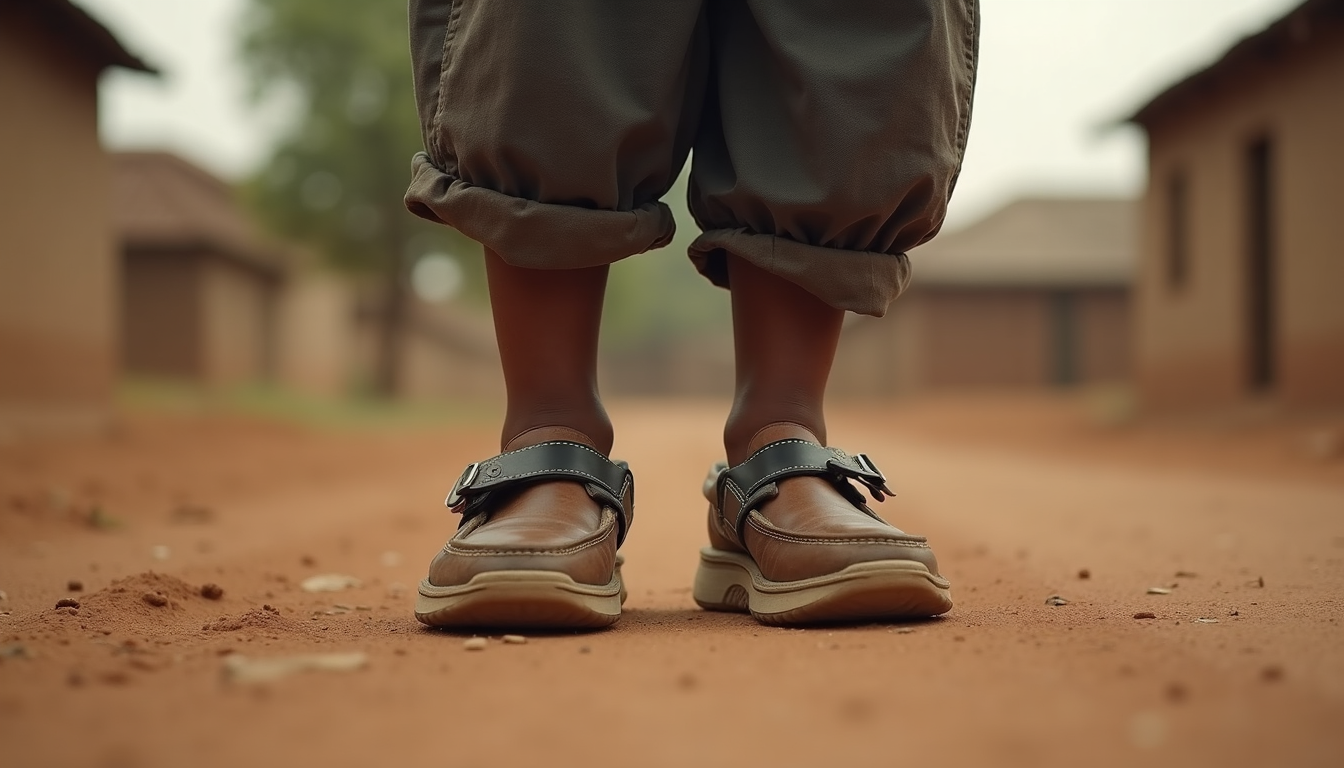
The Shoe That Grows is a remarkable initiative that provides adjustable shoes for children in underserved communities. These shoes can expand up to five sizes, ensuring that children have proper footwear as they grow. This innovative solution not only addresses immediate needs but also reduces waste by eliminating the need for frequent replacements.
2. Soles4Souls
Soles4Souls is a nonprofit organization that collects and distributes shoes to those in need around the world. They focus on providing sustainable footwear solutions by partnering with brands that prioritize eco-friendly practices. Their efforts not only provide shoes but also create jobs in the communities they serve.
3. Fair Trade Footwear
Fair trade practices ensure that workers receive fair wages and work in safe conditions. Brands that adhere to fair trade principles often use sustainable materials and production methods. By supporting fair trade footwear, consumers can contribute to a more equitable and sustainable industry.
How to Support Sustainable Footwear Solutions
1. Choose Eco-Friendly Brands
When shopping for footwear, consider brands that prioritize sustainability. Look for certifications such as Fair Trade, B Corp, or those that use recycled materials. By supporting these brands, you contribute to a more sustainable future.
2. Donate or Recycle Old Shoes
Instead of throwing away old shoes, consider donating them to organizations like Soles4Souls or recycling them through programs that repurpose materials. This helps reduce waste and provides footwear to those in need.
3. Advocate for Change
Raise awareness about the importance of sustainable footwear solutions in your community. Share information on social media, organize events, or collaborate with local organizations to promote eco-friendly practices.
The Future of Sustainable Footwear
As the demand for sustainable products continues to rise, the footwear industry is evolving. Innovations in materials, production methods, and distribution are paving the way for a more sustainable future. By focusing on underserved communities, we can ensure that everyone has access to safe, comfortable, and environmentally friendly footwear.
The Role of Technology
Advancements in technology are playing a crucial role in the development of sustainable footwear. 3D printing, for example, allows for precise manufacturing with minimal waste. Additionally, digital platforms enable brands to connect directly with consumers, reducing the need for intermediaries and lowering costs.
Collaboration and Partnerships
Collaboration between brands, nonprofits, and communities is essential for creating impactful solutions. By working together, stakeholders can share resources, knowledge, and expertise to develop sustainable footwear options that meet the needs of underserved populations.
Conclusion
Sustainable footwear solutions are not just a trend; they are a necessity for underserved communities around the world. By embracing innovative materials, supporting local artisans, and advocating for change, we can create a future where everyone has access to safe and sustainable footwear. The journey towards sustainability is ongoing, and every step counts. Together, we can make a difference—one shoe at a time.
Comments